

Portfolio
William Morris
Explore our projects for your outdoor transformation


William Morris
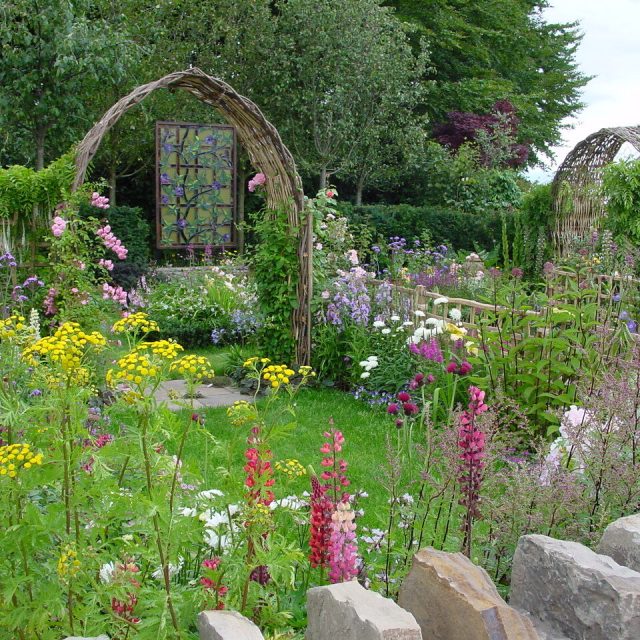
This show garden was inspired by the timeless ideals of William Morris (1834–1896), the renowned artist, designer and visionary of the Arts and Crafts Movement. At its heart, the garden reflects Morris’s enduring belief that beauty, nature and thoughtful craftsmanship are essential to human wellbeing.
This beautifully curated garden paid homage to Morris’s enduring philosophy: that nature, beauty, and honest craftsmanship are essential to human wellbeing. As Morris himself said, “The true secret of happiness lies in taking a genuine interest in all the details of daily life.â€� Every detail of this garden, from the handmade paths to the thoughtful planting scheme, was chosen to reflect that ethos – encouraging reflection, connection and a return to simplicity.
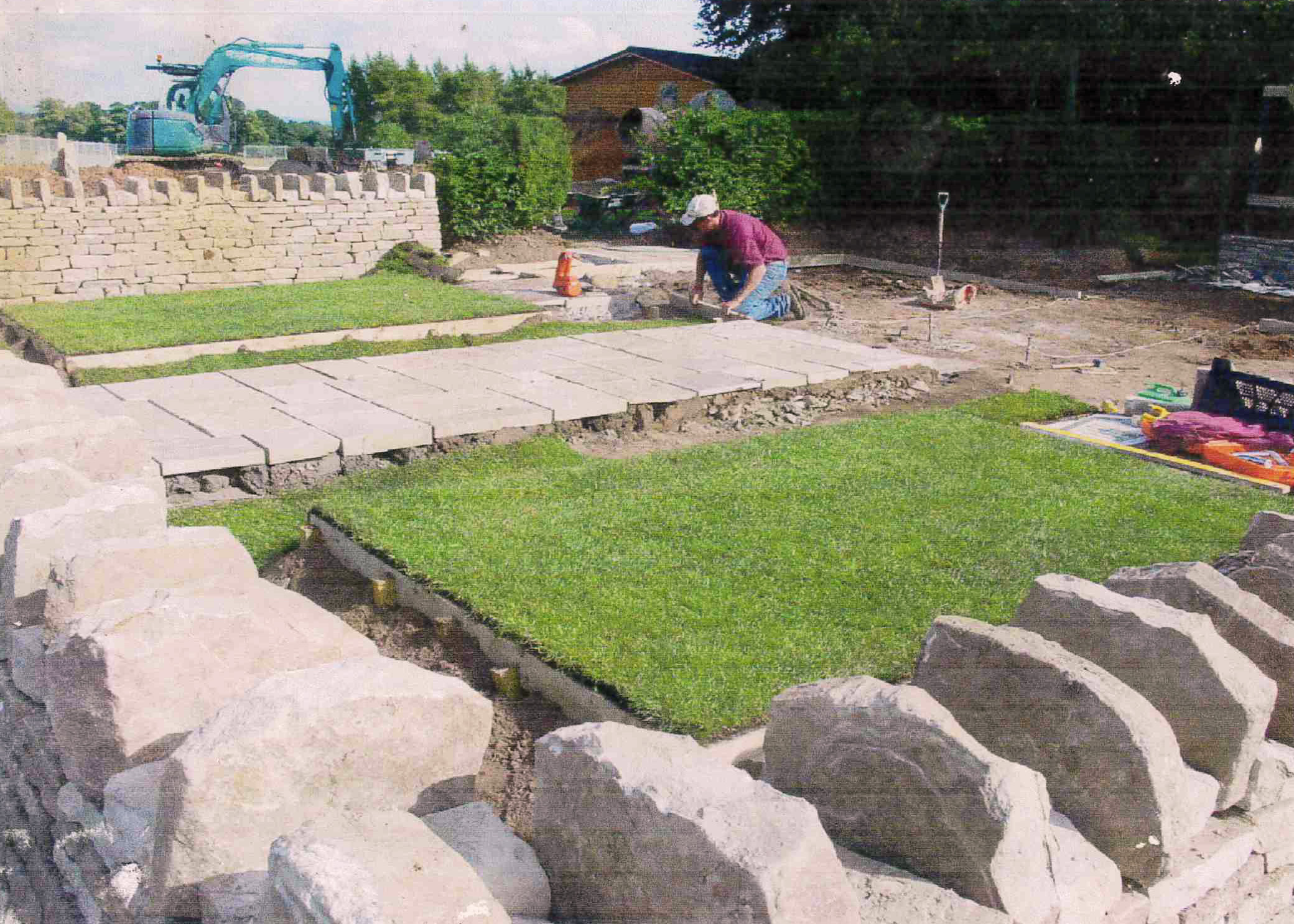
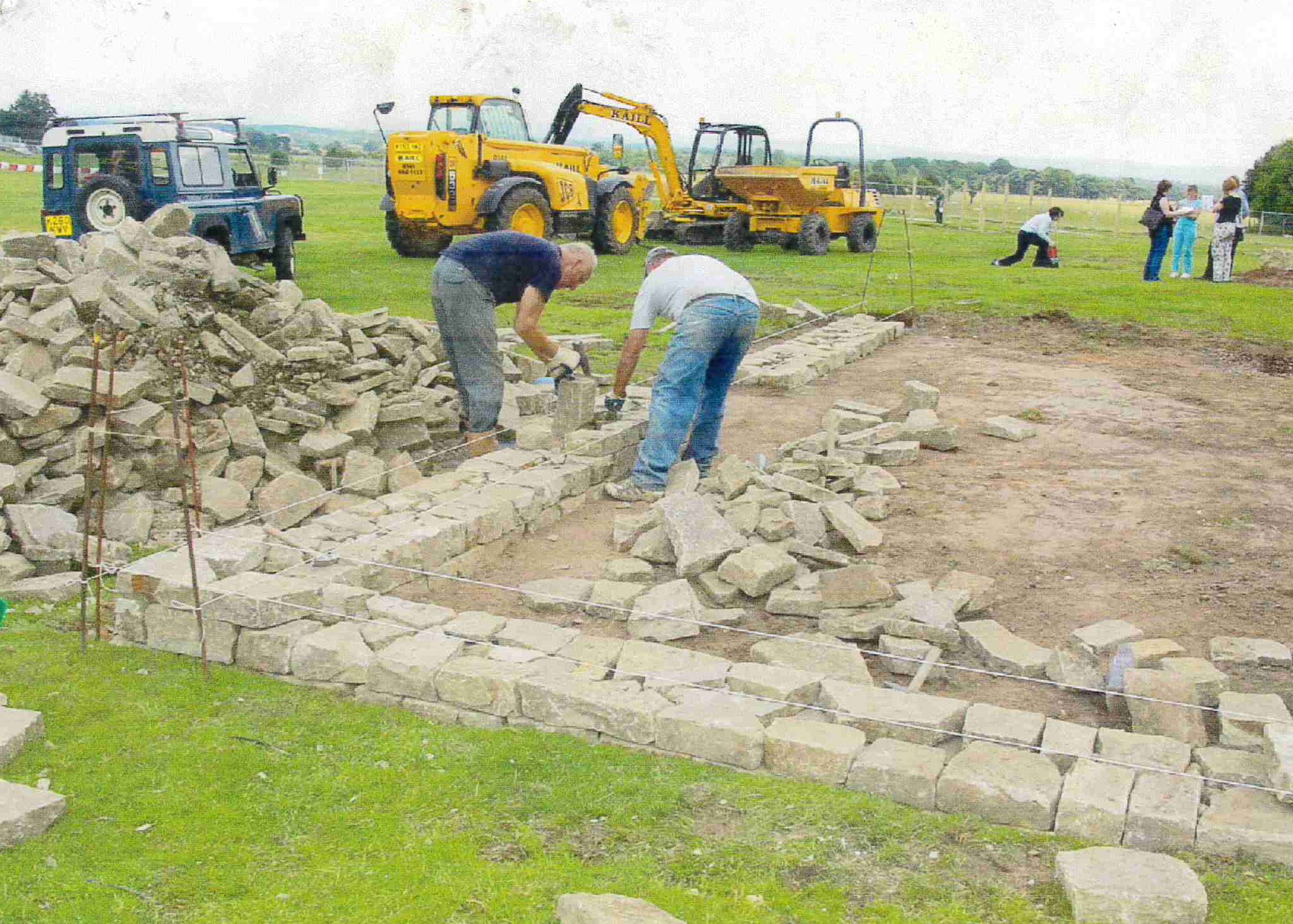
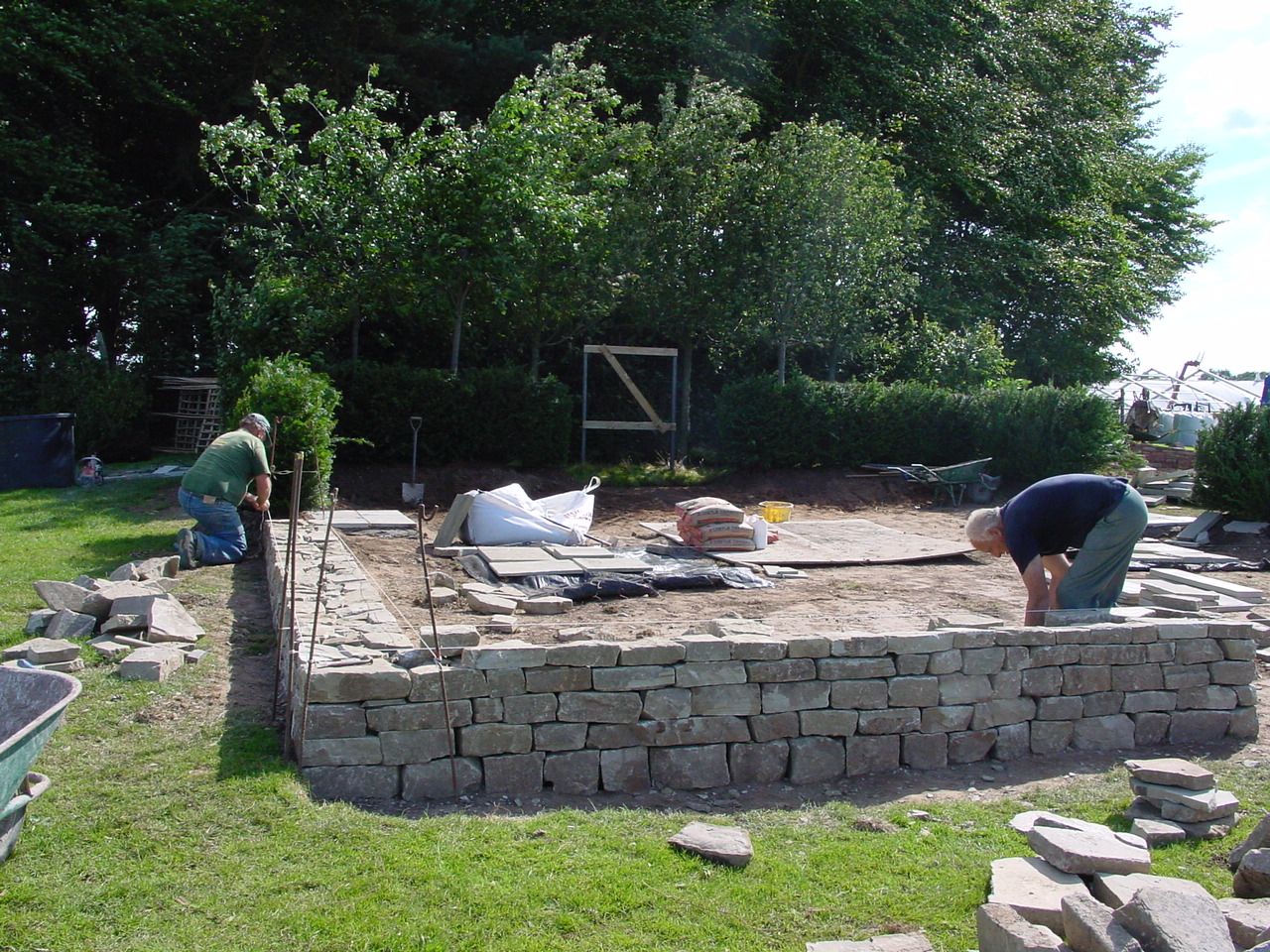
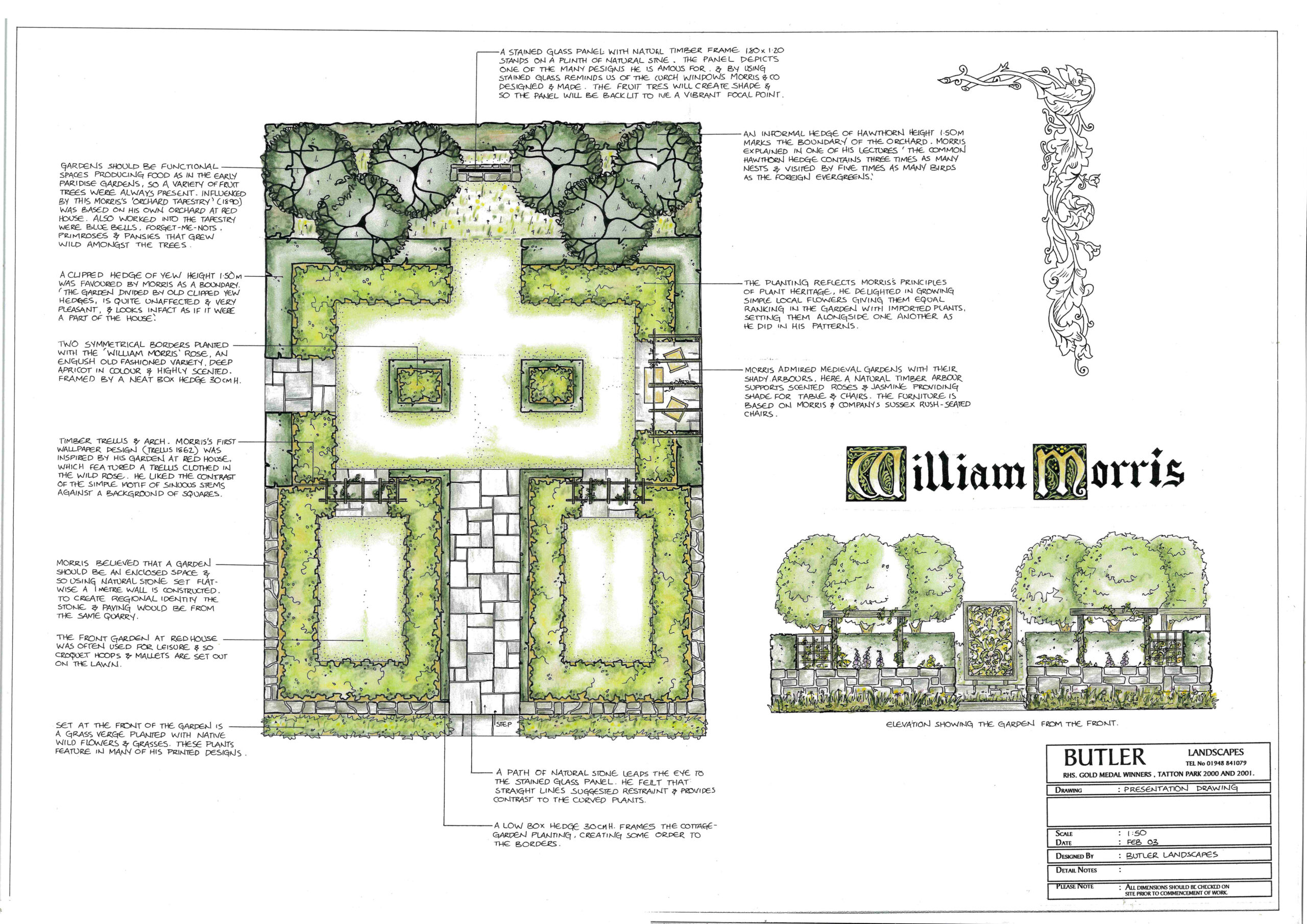





As specialists in historically inspired and characterful garden design, our team travelled across the UK to source the right elements. Particular care was taken in the plant selection, visiting Morris’s former home, the Red House in Kent, to ensure authenticity in the floral palette and structural layout. The 10m x 14m garden featured a balance of strong design lines with traditional planting, embodying the values of the Arts and Crafts movement.
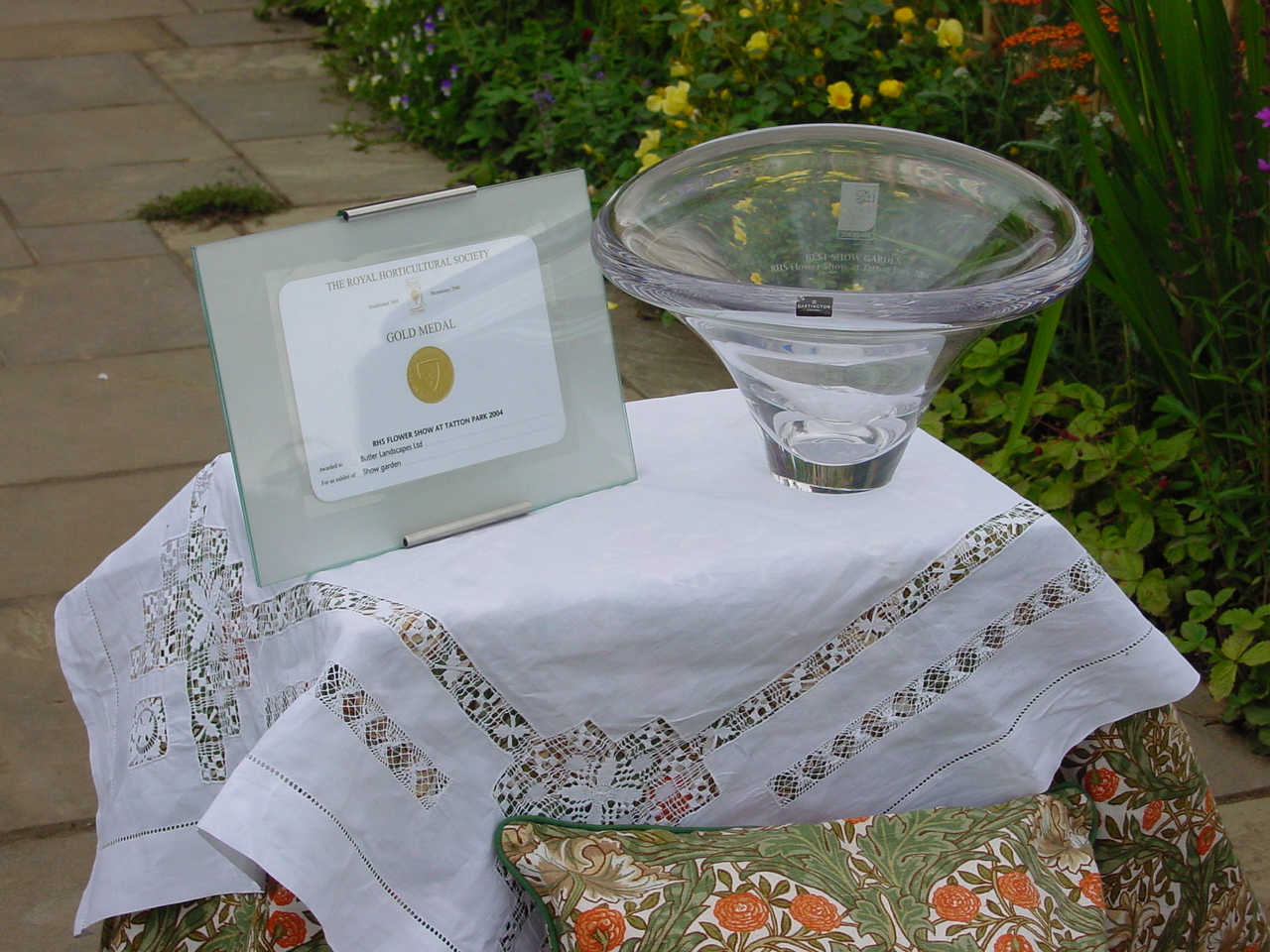
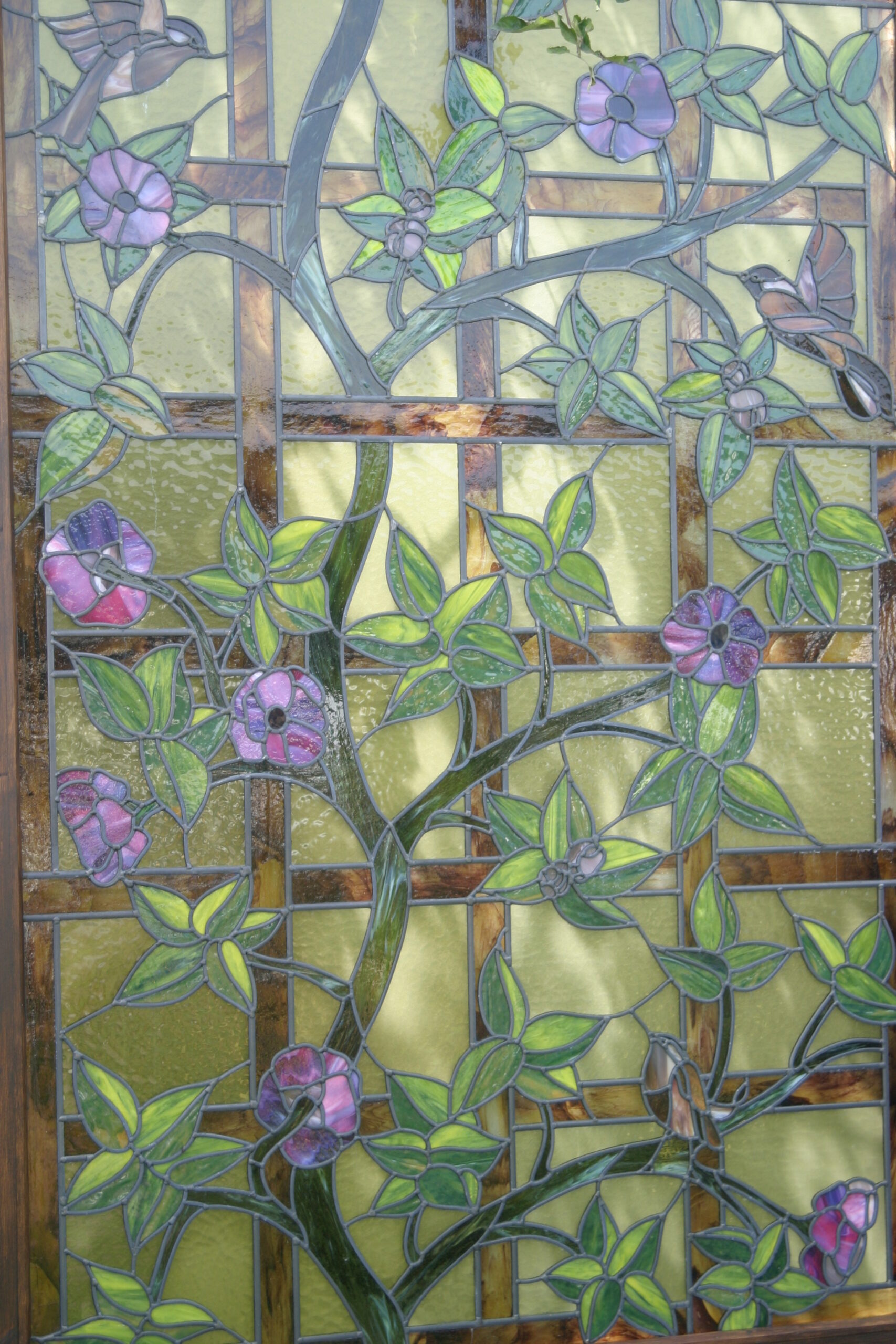
The garden was awarded an RHS Gold Medal and named Best in Show at the RHS Tatton Show 2004. Beyond showcasing Morris’s design principles, the garden also paid tribute to his life and work. A striking stained-glass centrepiece, influenced by his stained-glass window designs, featured Morris’s ‘Orchard Tapestry’, with hand-drawn depictions of birds, flowers, and plants taken from his murals and tapestries.
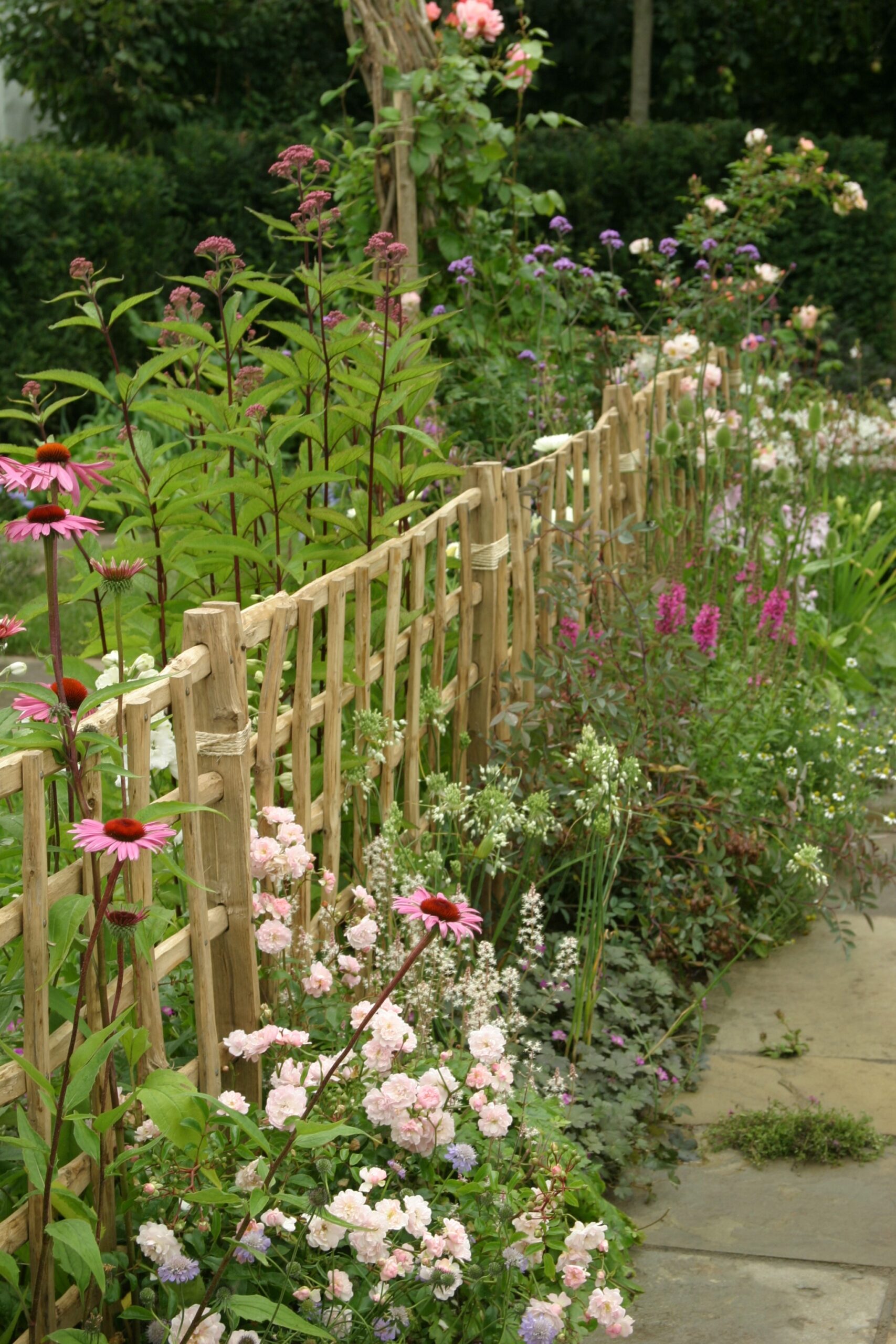
Sustainability was at the heart of the build. Reclaimed materials such as walling stone and locally coppiced hazel for the hurdles, reduced the garden’s environmental impact and added depth of character. The use of drought-tolerant native plants and a naturalistic wildflower meadow promoted biodiversity and required minimal intervention.
Morris’s ideal garden echoed the medieval hortus conclusus: an enclosed garden with straight paths and beds abundant with cottage garden flowers and native species. He believed gardens should be both beautiful and productive, drawing inspiration from early paradise gardens. In keeping with this vision, the show garden featured structured hawthorn, yew and box hedging, and six fruit trees nestled within a natural wildflower meadow surrounding the stained-glass feature.
The planting scheme honoured Morris’s commitment to plant heritage, blending simple native blooms with more exotic varieties, placing them side by side, just as he did in his textile patterns. Hazel hurdles were incorporated to reflect Morris’s childhood near Epping Forest, where hazel trees were traditionally coppiced.
Among the many carefully chosen varieties, the garden included the highly scented ‘William Morris’ rose — a traditional English rose with deep apricot tones, growing to around 1.2–1.5 metres; a fitting tribute to a man whose legacy continues to shape garden design today.
This garden stands as a testament to how tradition and innovation can coexist. It reflects Butler Landscapes core design principles; craftsmanship, sustainability and soul.